Bipolar Ion-Exchange Membrane Process Electrolyzer (BiTAC) 
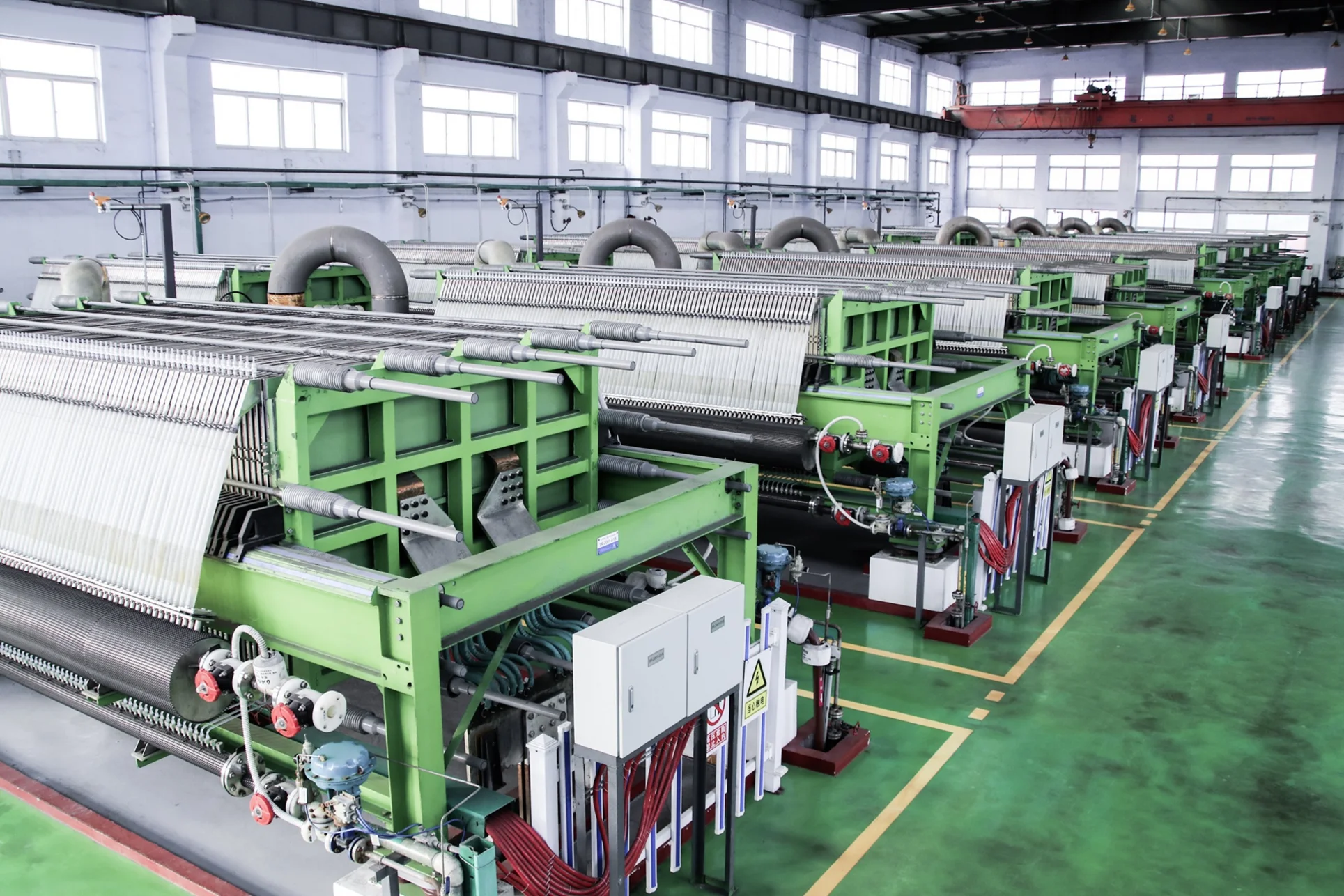
BiTAC – Benchmark in Membrane Electrolysis 

For more than three decades, the BiTAC family has defined new benchmarks in energy efficiency and reliability for Chlor-Alkali electrolysis. Introduced in 1994, the pioneering bipolar ion-exchange membrane filter press electrolyzer achieved record-breaking performance in power consumption – and each subsequent generation has pushed these limits even further.
 

Download Brochure

Continuous Innovation in Energy Savings

The n-BiTAC launched in 2005 reduced energy consumption to 2,060 kWh/t NaOH, followed by the nx-BiTAC in 2013, which cut power usage even further to 2,010–2,025 kWh/t while introducing a fine anode mesh for the first time. Then, in 2019 e-BiTAC v7 started commercial operation, pursuing energy consumption to a new record low of 1,960-1,979 kWh/t NaOH at 6 kA/m². In 2025, the e-BiTAC v7 achieved a new record low in energy consumption with 1,960 kWh/t NaOH at 6 kA/m². 

Proven Worldwide Performance

With more than 20 projects worldwide within just a few years of the nx-BiTAC launch, BiTAC has become the global reference for membrane electrolysis. e-BiTAC v7 customers benefit from minimized gas stagnation resulting in reduced cell voltage, superior separation of gas and liquid, and a uniform concentration and brine supply.

e-BiTAC v7

Key Benefits

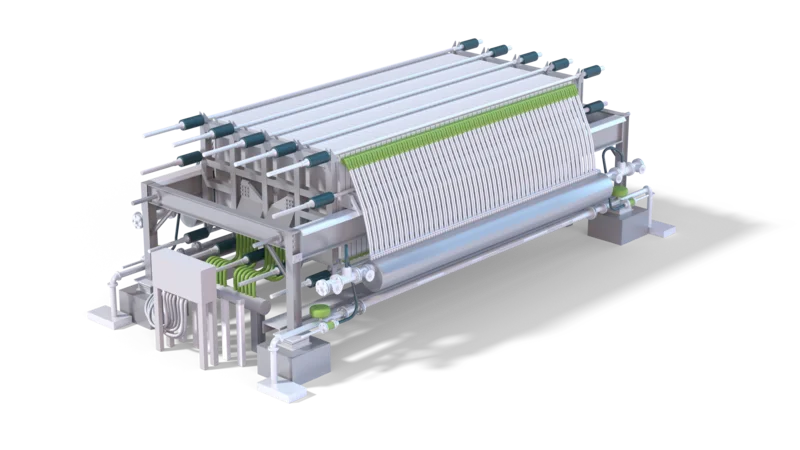
The key success factors of e-BiTAC v7 include an expected energy consumption of less than 1.960 kWh/t NaOH, full compatibility with previous BiTAC generations, and a membrane-friendly, elastic cathode structure. Additional improvements include enhanced maintainability, faster and more reliable assembly with the new element holder, and greater uniformity in brine concentration and coating consistency. The result: Lower power consumption, easier maintenance, higher efficiency, and maximum reliability for long-term, stable Chlor-Alkali operation.


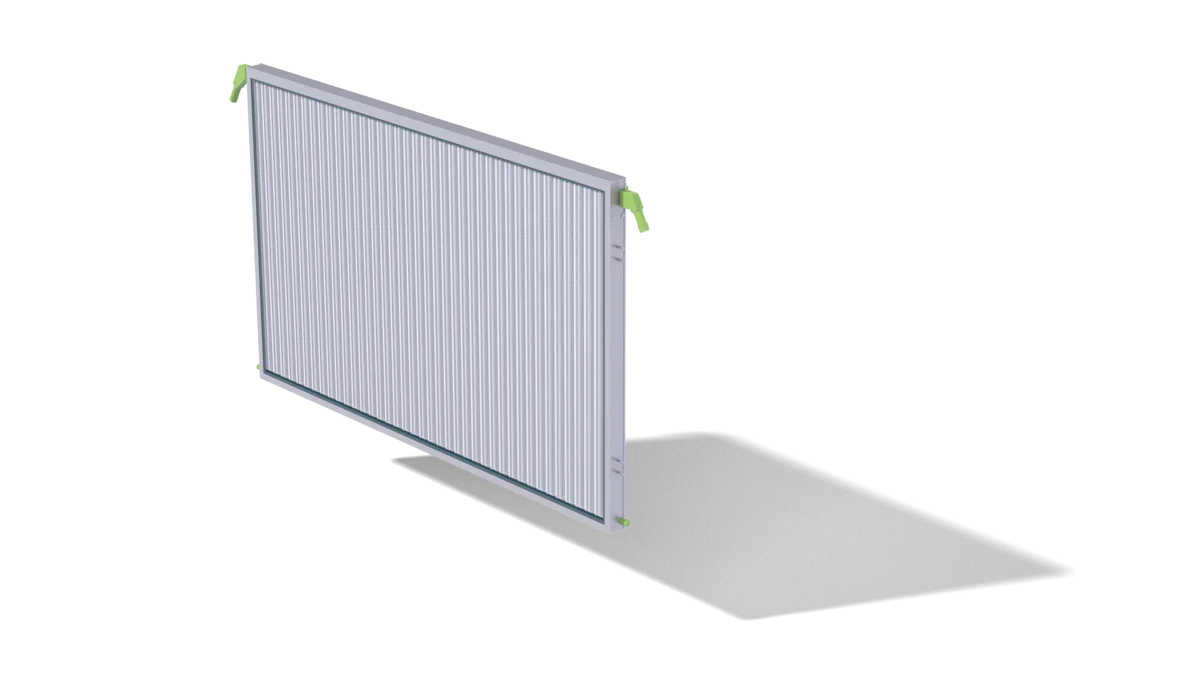
Woven Mesh Cathode with MWX Spring: 

  • Conducts current without dampening the effect of cathode spring and anode mesh.
  • Reduces cell voltage and improves current distribution.
  • Optimum pressure to protect the ion-exchange membranes from any mechanical damage.
  • Designed to maintain optimum elasticity at all levels of spring compression.
  • Creates 30,000 contact points per element, contributing to lower cell voltage.

Fine Anode Mesh with Smooth Surface:

  • Allows smoother gas release from the anode mesh surface.
  • Contributes to voltage reduction.
  • Superior current distribution and less voltage drop across the metallic structure.
  • No-dent spot welding technique ensures a completely flat face over the whole anode mesh surface.
  • Uniform contact with the ion-exchange membrane and extended membrane life.

V-Shaped Downcomer: 

  • Creates a high degree of internal brine circulation.
  • Enables optimal brine circulation and uniform density.
Continuous BiTAC Evolution Since 1994

1994

World's first zero-gap cell

Since our first BiTAC electrolyzer in 1994 with the first zero-gap cell, we have been continuously developing the BiTAC series and look back on over 30 years of development.

2005

0.15mm cathode mesh

In 2005, we developed 0.15mm cathode mesh.

2012

Modification Package

The world's first zero-gap cell was retrofitted with a modification package.

2013

Fine anode & coil cushion

In 2013, we introduced a fine anode and coil cushion.

2017

Introduction of MWX Spring

We introduced our MWX spring - a highly conductive and elastic spring system with 30,000 contact points per element to maintain good cell voltage. It stabilizes performance by using a physically fixed spring mechanism. In addition, it lowers pressure on the membranes and pinhole risk and is repairable when springs show deformations – increasing safety and reliability.

2020

Combination of BiTAC and BM Features

In 2020 we combined BiTAC and BM features to increase efficiency.

2025

e-BiTAC v7

The new generation sets innovative standards in efficiency and reliability, achieving power consumption of less than 1,960 kWh per ton of NaOH at 6 kA/m² and establishing a new industry benchmark. A membrane-friendly elastic cathode structure, new coating options, and newly developed tools and element holders significantly simplify installation and maintenance while reducing electrolyzer assembly and service downtimes.

Why Filter Press Technology Pays Off 

The filter press technology utilized in the BiTAC series has specific advantages:

  • Low sealing force required for gaskets, no bolts needed 

  • Fast remembraning of complete electrolyzer 

  • Smaller maintenance area required 

  • Lower power consumption through joining anode and cathode compartments by explosion bonding

Lifecycle Service For BiTAC

Ensure maximum uptime and efficiency with our tailored service portfolio – from spare parts to full lifecycle support.

Explore Service Solutions

an employee of thyssenkrupp nucera in front of an electrolyzer

Get in Touch With Our Experts 

Whether you’re planning your first chlor-alkali project or looking to upgrade existing plants – our team supports you with the right technology, engineering expertise, and service solutions.

Get in Touch