Hydrochloric Acid Electrolysis
Efficient and Sustainable HCl-to-Chlorine Recovery
We turn waste Hydrochloric Acid into high-purity chlorine – cost-effective, energy-efficient and fully independent from volatile chlorine and hydrochloric acid markets. Reduce costs, cut CO₂ emissions by up to 30 %, and close your material loops in your production.
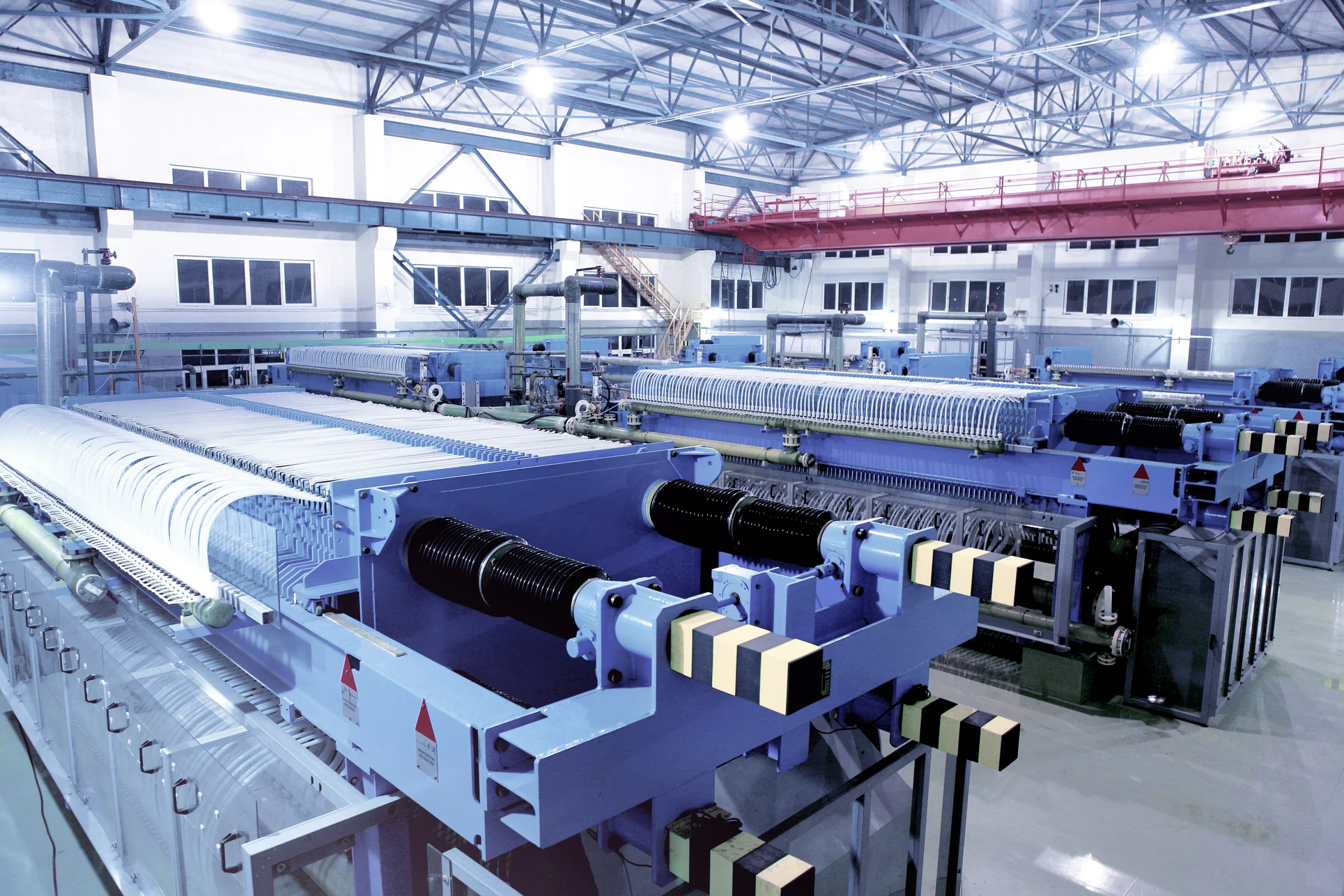
World-leading electrolysis technologies
1.5 GW/yr
supply chain established
>10 GW
of capacity installed
>3 GW
contracted capacity
Your Advantages at A Glance
Chlorine is used as an oxidizing agent in several organic processes and hydrogen chloride is often generated as a by-product or co-product. Instead of costly neutralization or disposal, our proven electrolysis technology recovers chlorine directly on-site, turning a waste stream into a valuable raw material. The recovery of chlorine from hydrogen chloride or hydrochloric acid has several advantages:
- General commitment in terms of sustainability and therefore ecological responsibility.
- Full independence from chlorine and hydrochloric acid prices.
- Avoids the need to develop traditional chlor-alkali plants with significantly higher capital expenditure costs.
- Interesting for regions with high chlorine demand or excess caustic soda (NaOH).
- Up to 30 % lower energy consumption vs. conventional processes.
- Significant reduction of chlorine transportation risks.
- Compact design, low CAPEX and small plant footprint
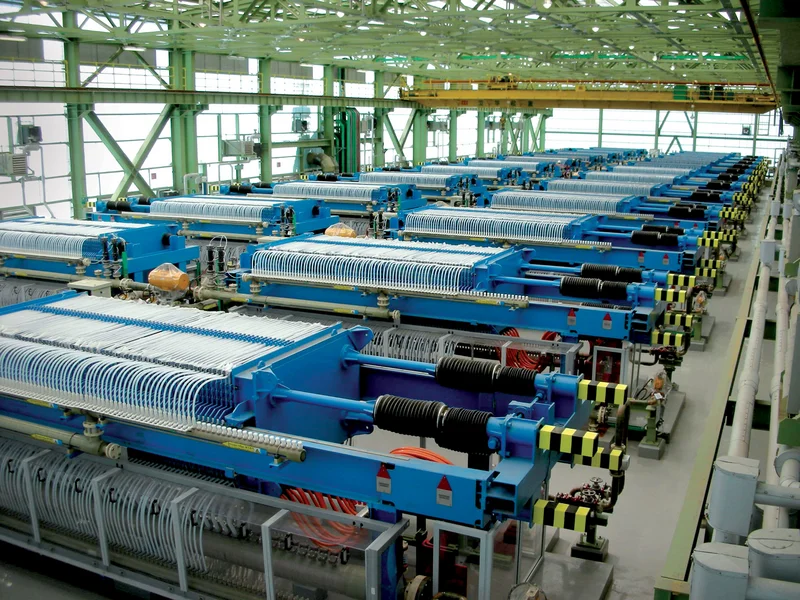
Oxygen-Depolarized Cathode (HCl-ODC) Technology
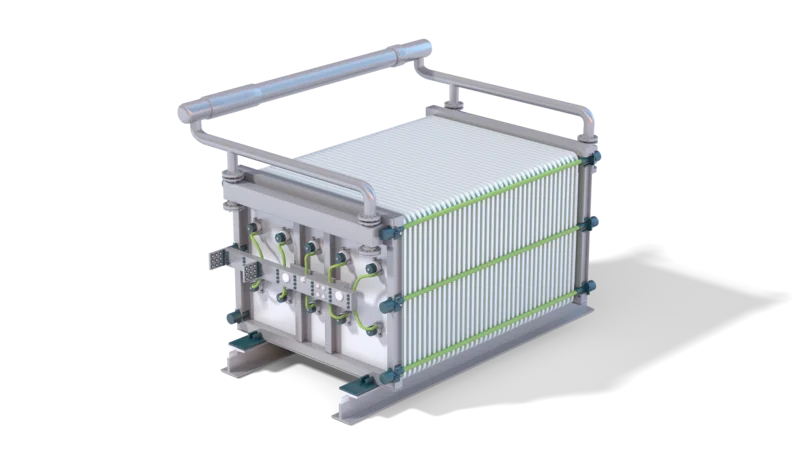
The gold standard for energy-efficient HCl electrolysis. ODC technology delivers up to 30% energy savings, eliminates hydrogen by-product formation, and offers flexible, reliable operation, making it ideal for MDI/TDI plants and projects focused on efficiency and carbon reduction.
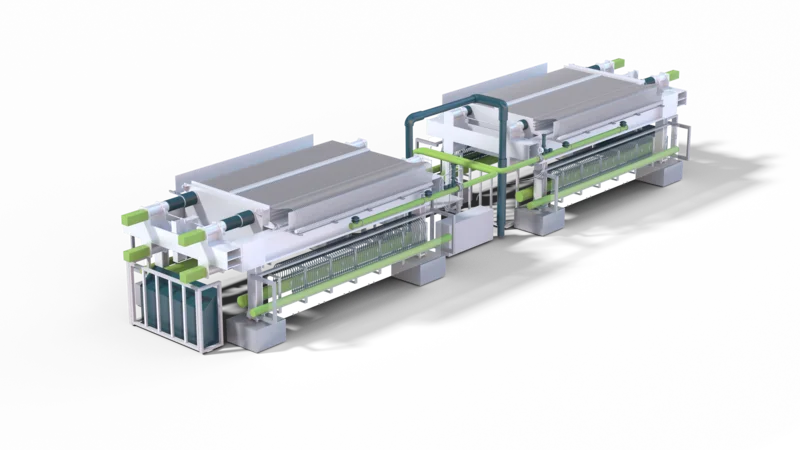
Diaphragm Electrolyzer Technology
A proven and robust solution for hydrochloric acid electrolysis, developed in cooperation with Covestro. The diaphragm electrolyzer produces chlorine while generating valuable hydrogen as a by-product, making it the ideal choice for applications that require both high reliability and hydrogen utilization.
From Concept to Lifetime Service Support
We deliver complete plants and support you throughout the entire lifecycle.