Oxygen-Depolarized Cathode (HCl-ODC) Technology 

Our ODC technology is the gold standard for maximum energy savings and sustainability. Its principle is based on the reduction of oxygen at the cathode. It reacts with the hydrogen ions, which migrate through the membrane from the anode side of the cell. This suppresses the generation of hydrogen and forms water. Compared to the standard reaction for hydrogen generation, the ODC process reduces the required operating voltage by approximately 1 volt, resulting in consequent energy savings.
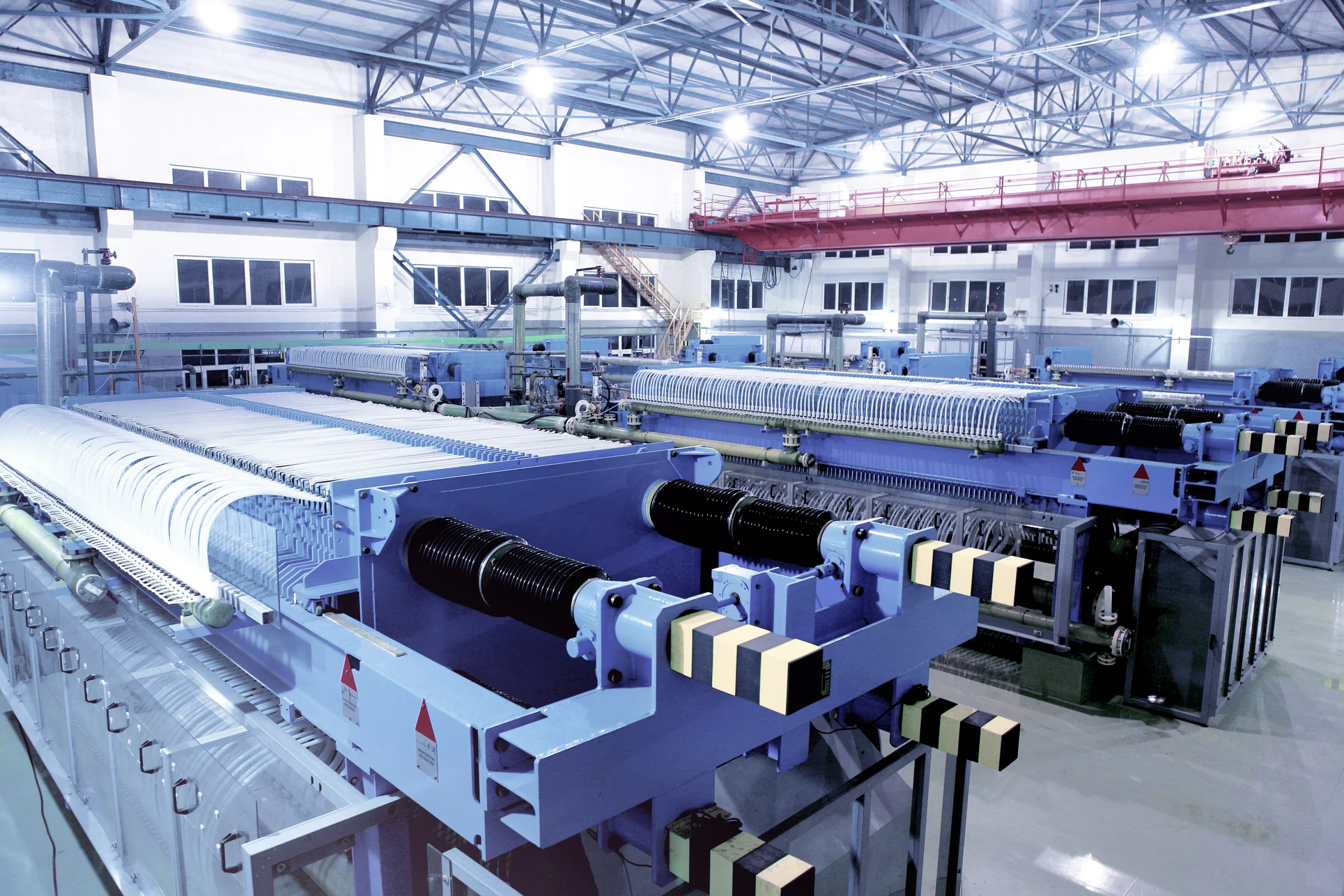
hydrochloric acid electrolysis plant

Key features of HCl-ODC

  • About 30% energy savings compared to standard HCl electrolysis
  • No unwanted hydrogen production
  • Operating pressure: 200-240 mbar(g)
  • Automatic control of hydrochloric acid feed concentration
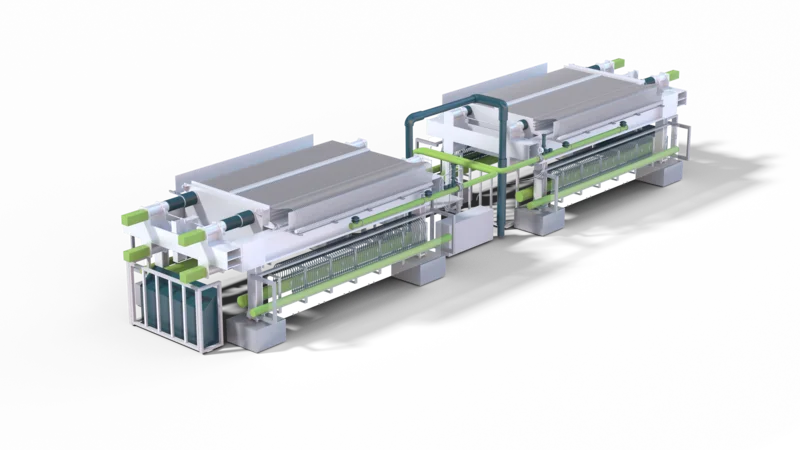
  • Bipolar titanium alloy elements in proven filter-press design
  • Wide and flexible plant operating window makes it easier to adapt to the needs of MDI/TDI processes
  • Electrolyzer design ensures optimal maintenance flexibility and facilitates potential capacity increases

Perfect for greenfield projects and plants prioritizing energy efficiency and carbon reduction.
Download Brochure

How does the ODC process work?

When integrated into MDI/TDI plants, the process starts with anhydrous hydrogen chloride (HCl) gas, which is conditioned in an absorption unit. The absorption of HCl in water or dilute hydrochloric acid is a strongly exothermic reaction. For industrial applications, hydrochloric acid concentrations in the range of 28–37 wt.% are generally required.

Electrolyzer

The electrolyzer operates at an anode-side pressure of 200 mbar(g) to ensure optimal contact between the membrane, the oxygen-depolarized cathode (ODC), and the cathode current distributor. The hydrochloric acid feed to the electrolyzer is maintained at 14 wt.% and is automatically controlled in the anolyte tank by blending concentrated hydrochloric acid (37 wt.%) with depleted circulating acid. A small portion of the resulting 12.5 wt.% hydrochloric acid stream is recycled back to the absorption unit.

Anode chamber

The anode chamber is supplied with 14 wt.% hydrochloric acid, where anodic oxidation takes place and chlorine is generated while hydrochloric acid is consumed. The produced chlorine is separated from the depleted 12.5 wt.% hydrochloric acid and collected in the chlorine header. The depleted acid is returned to the anolyte tank. In addition, part of the water as well as H⁺ and Cl⁻ ions are transported through the membrane to the cathode chamber.

Cathode chamber

The cathode chamber is fed with oxygen. At the ODC, oxygen is cathodically reduced and reacts with H⁺ ions transferred from the anode chamber, forming water. A small excess of oxygen at the cathode outlet is required to prevent hydrogen formation. The acidic condensate generated at the cathode can either be sent to wastewater treatment or recycled back to the anolyte system.

Product treatment

Due to the very high chlorine quality, the product can be fed directly to downstream consumers without the need for chlorine liquefaction or evaporation. In most cases, cooling and filtration of wet chlorine are sufficient. In addition, the chlorine can be dried and compressed for storage as liquid chlorine or returned to the consumer to close the chlorine recycle loop.

360° Service Portfolio

From engineering and commissioning to operation and optimization, our service offering supports you throughout the entire plant lifecycle. With deep process expertise and a strong focus on reliability, efficiency, and safety, we help ensure long-term, stable operation and maximum value from your installation.
Explore Service Solutions

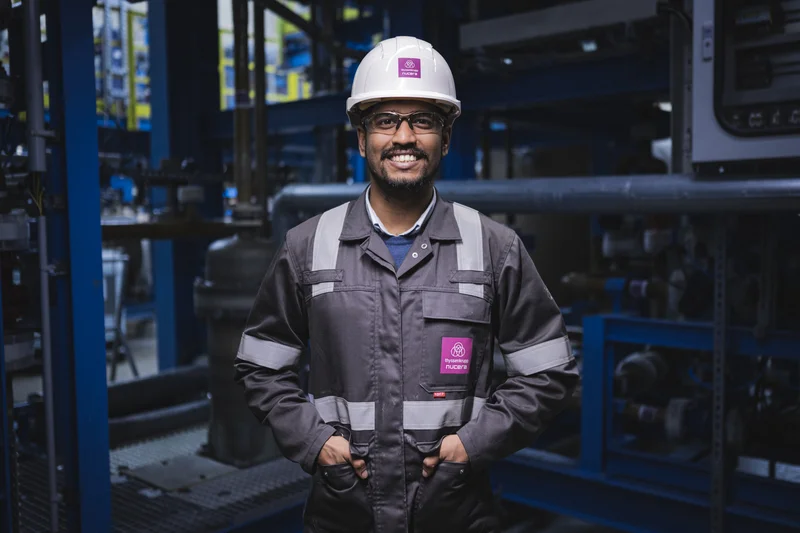
an employee of thyssenkrupp nucera in front of an electrolyzer

Talk to Our Experts

Looking for a tailored solution or technical support? Our experts are ready to discuss your requirements and identify the best approach for your application. Get in touch with us to start the conversation.

Contact Us Now