Inclusion
The act of allowing many different types of people to do something and treating them fairly and equally.²
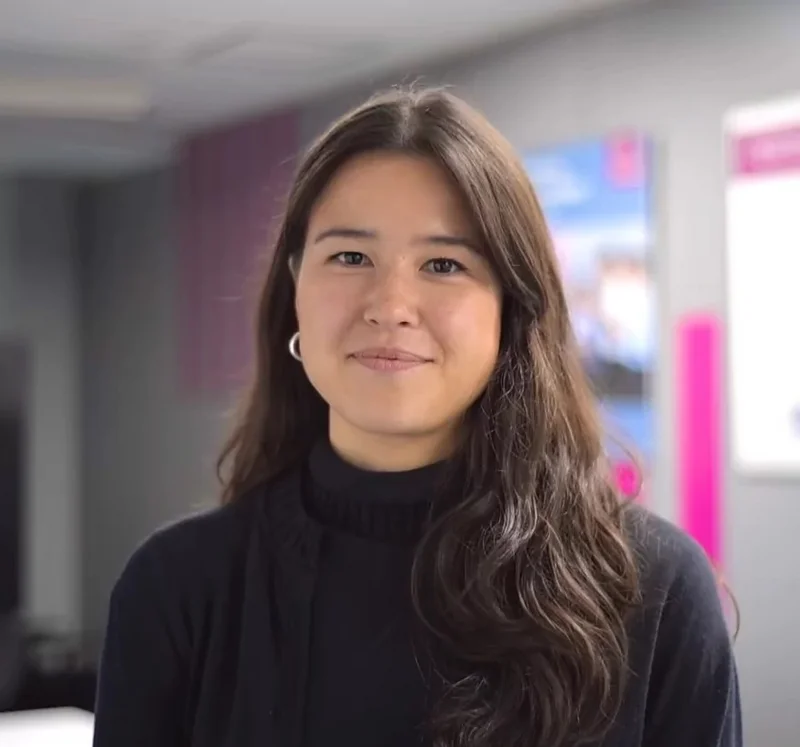
I believe the very first step is to acknowledge that we all have unconscious biases regardless of the gender.

Women alone are not enough. Everyone has to be equally involved and invested. Some strategies might be creating discussion groups, hosting trainings on gender issues and helping people realize all the biases that they carry with them and how they can process and eliminate them in a way that is safe for everyone and that doesn’t make anyone feel uncomfortable.
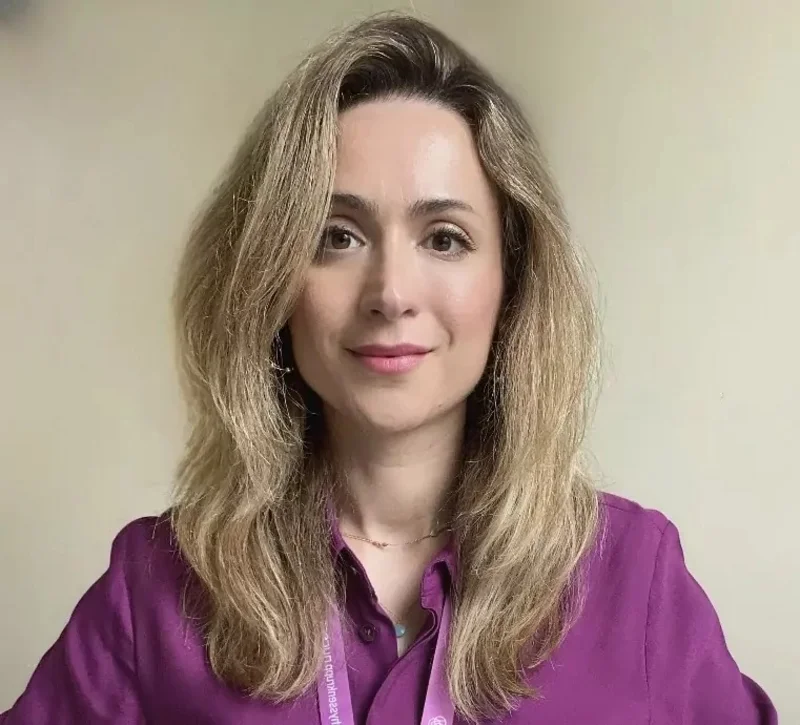
Mentorship and sponsorship programs are designed to pair women with leaders eager to guide their career trajectories. Sponsors, unlike mentors, actively advocate for their protégés' advancement, enabling women to break through the 'glass ceiling'.
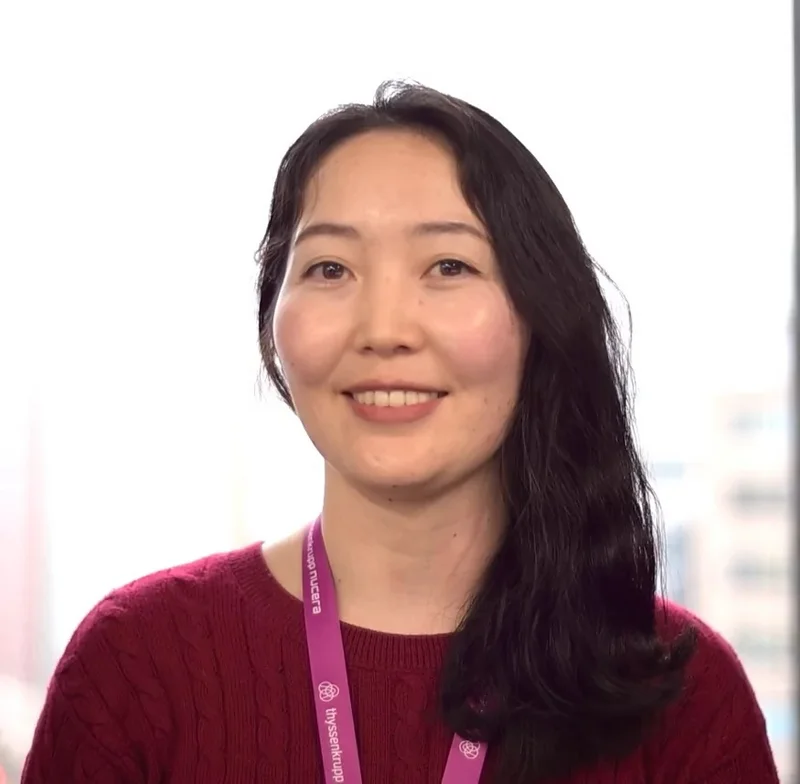
We need to foster a culture of respect, inclusion and support. Everyone should feel valued for their unique contributions regardless of ethnicity, experience or educational background.

Fostering a culture of open dialogue helps us eradicate unconscious bias. Relentlessly pushing this kind of culture will create an equitable workplace which everyone enjoys being part of.