Carbon2Chem®
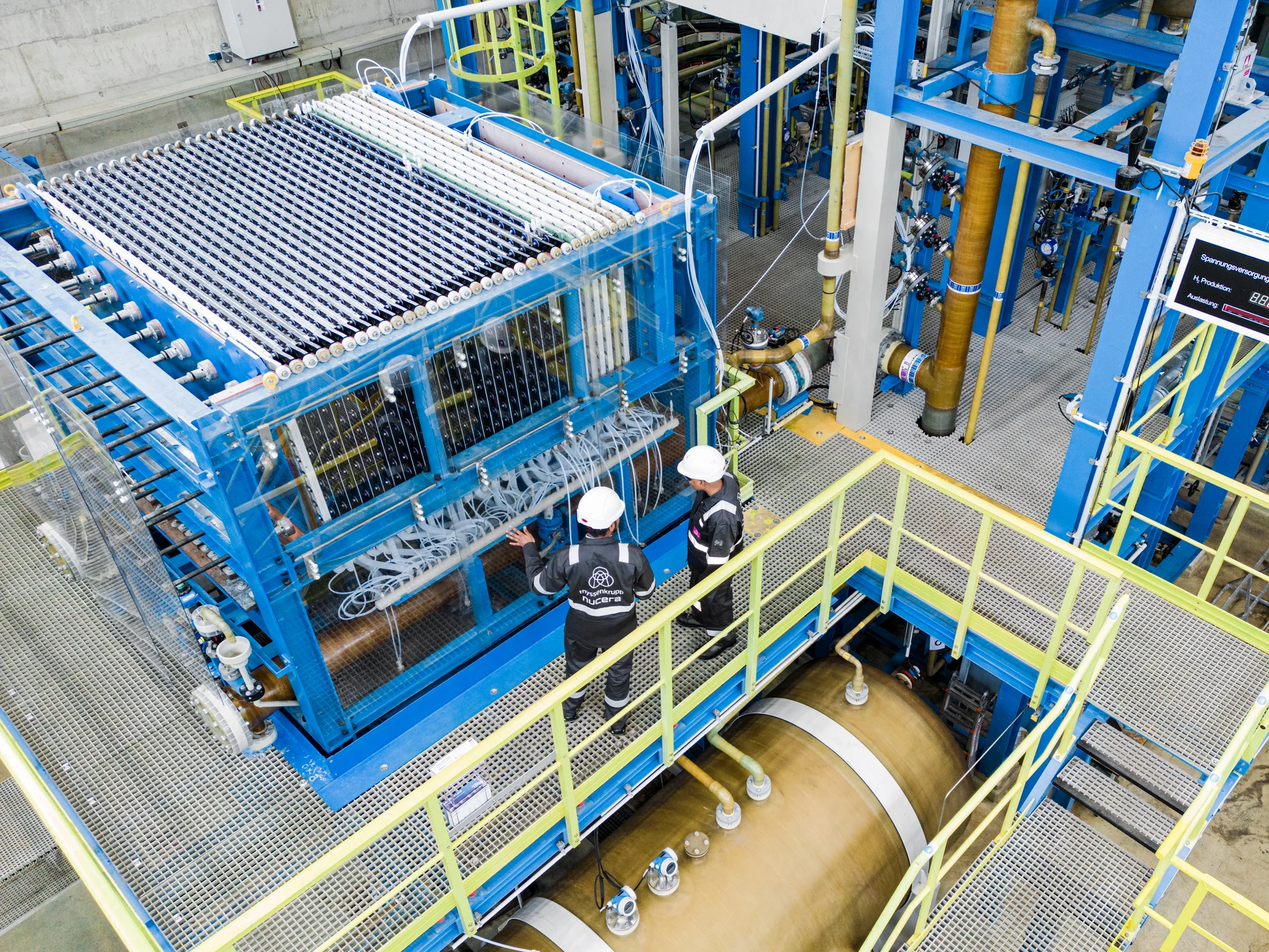
In the Carbon2Chem® research and development project, industry and academia are working together at thyssenkrupp Steel Europe’s Duisburg site to make CO₂ and other components of industrial process gases usable as feedstocks for chemical production. The aim is to use hydrogen to create sustainable value chains and open up new pathways for decarbonizing energy-intensive industries.
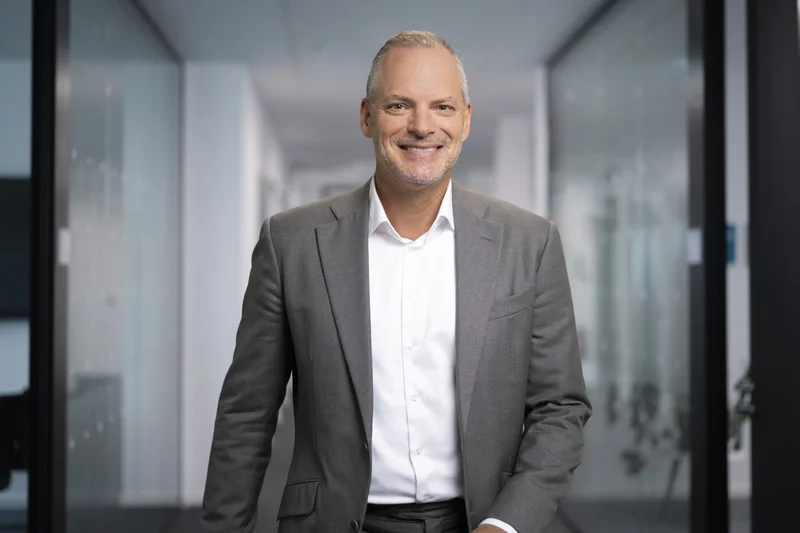
Werner Ponikwar
Chief Executive Officer, thyssenkrupp nucera
"Carbon2Chem® has been and continues to be invaluable for the further development of our electrolysis technology. The site offers a unique industrial environment in which new technologies can be tested in practical operation under real-world conditions and hydrogen can be produced. Carbon2Chem®’s ten-year history demonstrates the importance of such industrial testing and development environments in advancing technologies toward application and scale-up.”